
A Fresh Perspective in Berry Growing: A New Approach to Berry Cultivation
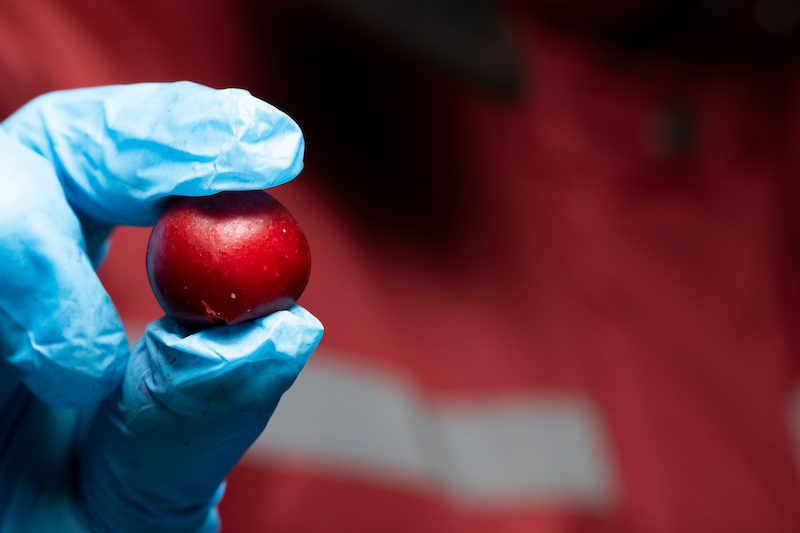
The Ukrainian Business and Trade Association (UBTA), with the support of the Ministry of Agrarian Policy and the Ministry of Economy, presented the report “Agricultural Portfolio 2021”, according to which Ukraine ranks 15th in the global ranking of frozen fruit exporters with a figure of $111 million. With 147 exporters, Ukraine shows a positive balance and has been steadily increasing exports since 2015.
LNZ Group, a group of companies from the Cherkasy region with ownership of 86,000 hectares, is a producer of UNIVERSEED corn seed, the DEFENDA brand of plant protection products, and one of the largest players in the distribution market. It has now opened a new direction — berry farming. The frozen fruit, berry, and vegetable brand Tevitta (from Latin teva – nature, vita – life) intends to become a leading company in the freezing of berries, vegetables, and fruits, making a revolutionary contribution to the development of berry farming by providing high-quality planting material and an open market for smallholder farms and individual farmers growing berries. Why the company chose the frozen product market and how the market may change with the arrival of Tevitta is discussed in this article.
Focus on BERRY FARMING
According to Tevitta owner Viktor Kravchenko, berry farming was initially launched as a separate direction. Later, they realized that by having a closed business system, they could achieve even more. After all, berry farming can be a profitable business if the focus is not only on cultivation but also on processing.
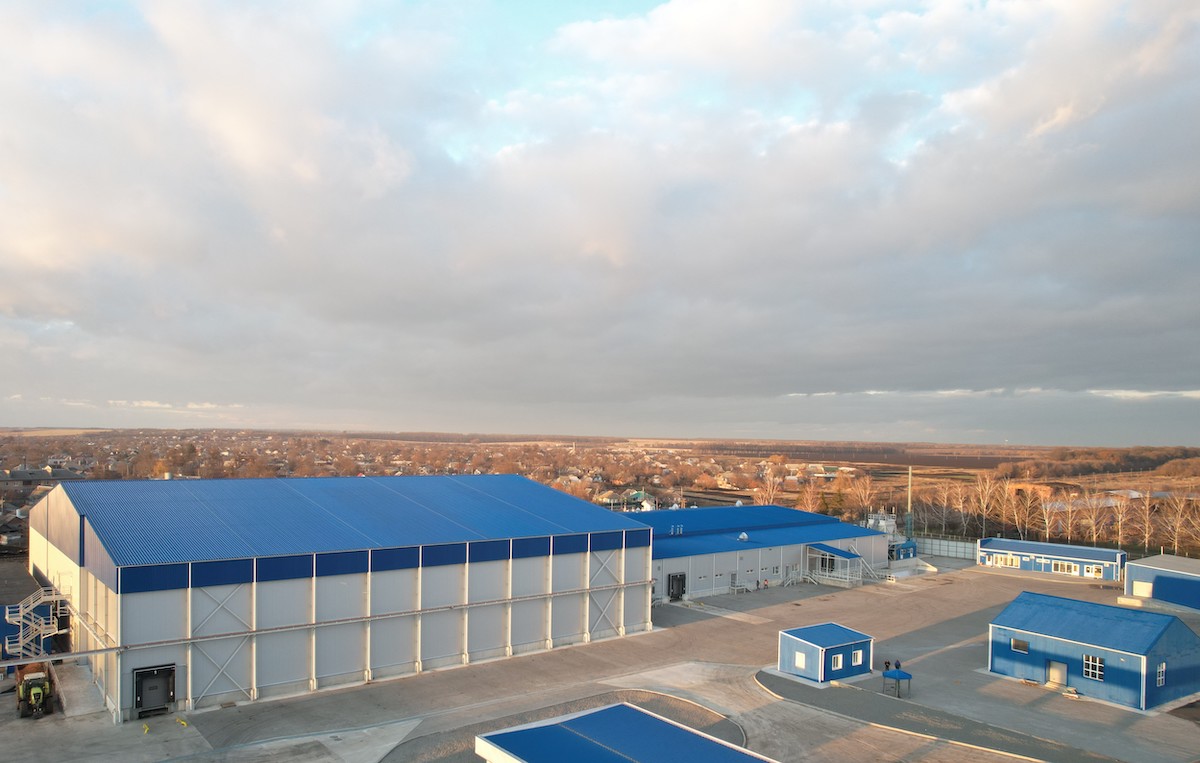
“We started working in the direction of diversification – we built a plant equipped with high-tech equipment, passed certification, and now have all the relevant certificates for entering the global market — BRC Global Standard for Food Safety and GLOBAL G.A.P. In fact, the plant is already operating on the European market,” – adds Tevitta owner Viktor Kravchenko.
Later, they realized that the idea of production diversification could become a driving force for farmers who are already producing products or for those who would like to try farming but are afraid to enter this new niche due to the lack of guaranteed markets. This is how the idea of creating the Tevitta cooperative emerged.
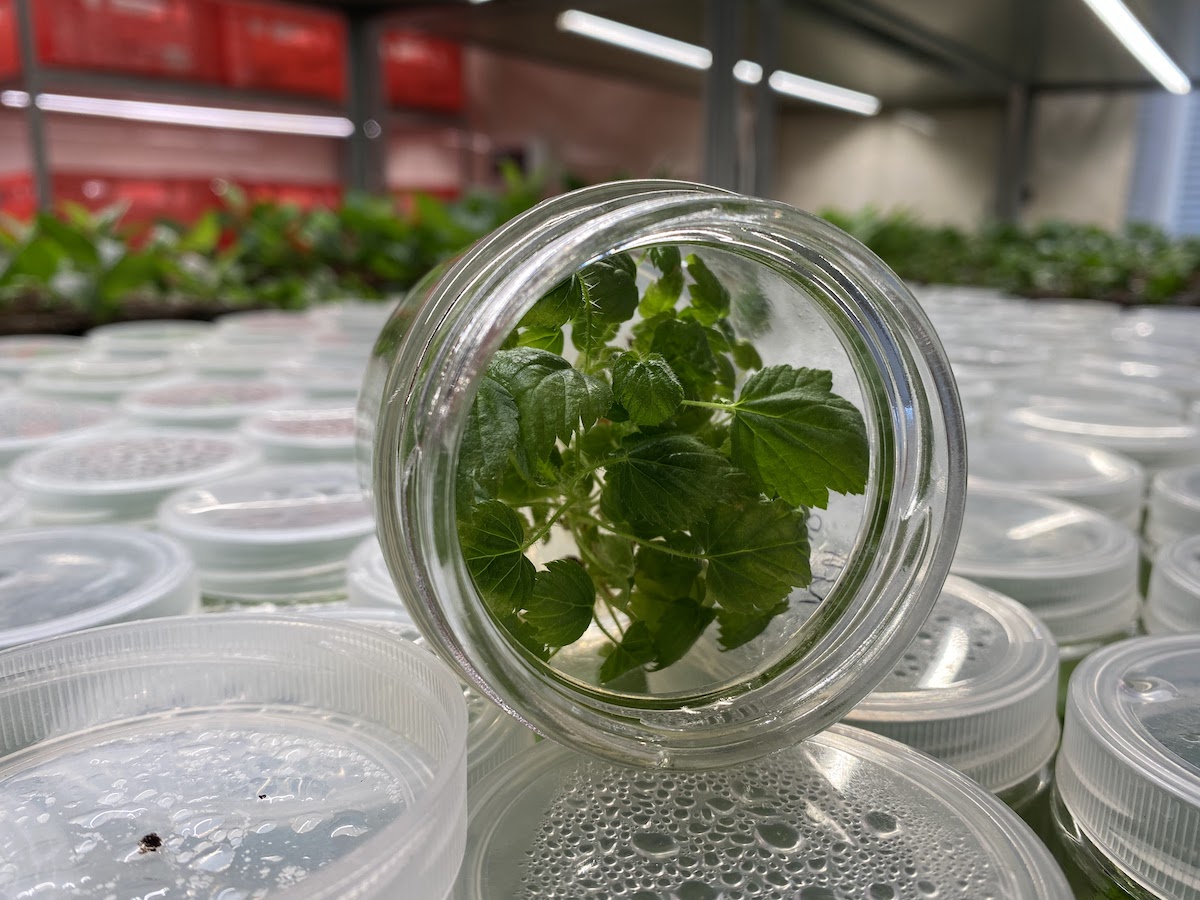
In the process of creating the Tevitta cooperative, it became clear that there was a lack of quality planting material on the market, which is why they had to create their own nursery with an in vitro laboratory. According to Viktor Kravchenko, the owner of Tevitta, the nursery is a strategically important facility in the production system, as quality seedlings are a problem in Ukraine. Without quality input material, it is impossible to have a quality final product. Moreover, having a nursery allowed the company to establish a closed production cycle, which fully complemented the idea of cooperation.
“For planting our own plantations, we initially used frigo seedlings. Later, we switched to cassette planting. Thanks to the implementation of the in vitro technology on the farm, we were able to ensure the full cycle of plant health for all crops: raspberries, blackberries, and strawberries,” – shares his experience Roman Ivanovych Franchuk, Director of “LNZ Agro” LLC.
Focus on the FACTORY
The factory is equipped with state-of-the-art equipment. The refrigeration complex contains a shock freezing tunnel from the Polish manufacturer Unidex with a capacity of over 3 tons per hour. This year, they plan to add another unit of this equipment and double production volumes. There are also berry processing and packaging lines, with a separate line for processing sweet corn. By the way, only two factories in Ukraine have modern and powerful equipment for processing sweet corn. At the “Avoir” factory, they have already processed sweet corn, plums, apricots, currants, strawberries, cherries, pumpkins, onions, elderberries, and peppers. As for cherries, they purchased pit removal machines for processing and can now freeze 2.5-3 tons per hour of pitted cherries. Although the amount of cherries processed is still small, it has already posed significant competition to Polish and Serbian cherries.
All products are frozen using IQF technology. Why IQF? The advantage of IQF (Individual Quick Freezing) is that it minimizes the formation of large ice crystals that can affect the integrity of the fruit tissues. Therefore, the finished product retains its beneficial properties and has the same taste qualities as fresh. The optical sorter Sortex from Bühler is also a distinctive feature. The advantage of this sorter is that it detects defects based on color and shape, sorting very efficiently with high productivity.
“Without the sorter, the productivity and quality of the final product would be low, but having such high-class machinery allows us to produce the highest quality products in compliance with strict food safety standards. However, we sort raspberries manually because the berries are very delicate when frozen, and any improper movement can cause them to break. For this, we have more than 10 trained workers by the conveyor, who sort out defective berries,” says the factory director.
After being sorted by the sorter, the frozen berries and vegetables move to the packaging line. This year, another packaging line is planned – one for each shock freezing tunnel. The factory operates a line for large packaging: 25 kg bags or 10 kg boxes, and a line for small packaging, ranging from 400 g to 2.5 kg, so the products can be sold in supermarkets and HoReCa. According to Yuriy Mykolayovych, the factory director of “Avoir,” the equipment for the factory was carefully selected. They studied offers on the market, visited similar factories, and observed the equipment used there. The main condition was that it had to be high-quality and energy-efficient. This year, the company also installed refrigeration equipment in the Vinnytsia region, which can statically freeze up to 20 tons per day.
“This decision was based on the need to preserve the quality characteristics of the product, as delivering such products as raspberries and elderberries is a very complex process. The refrigeration equipment will provide us with more opportunities for delivering raw materials to the factory and subsequently producing high-quality products,” adds the director of “Avoir” factory.
The finished products are stored in warehouses with a temperature of -20°C and a capacity of over 10,000 pallet spaces. In addition, the convenient location of the enterprise allows them to deliver raw materials for freezing from both the western and southern regions of Ukraine.